The Science of Getting Dressed: Why You Need a Morning Outfit Routine
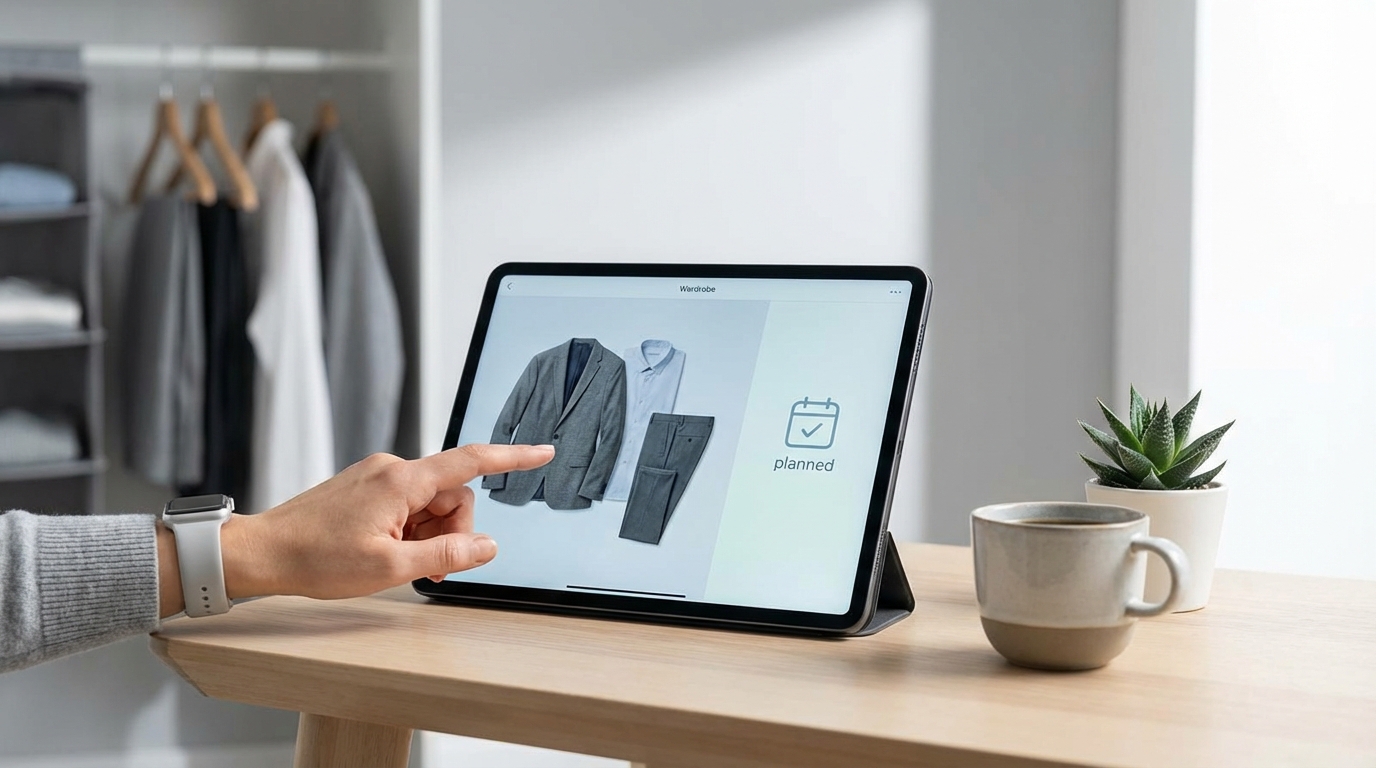
You've been awake for 20 minutes and you've already made 35 decisions.
Coffee or tea. Shower first or eat. Which shirt. Does this match. Is it clean. Is it appropriate. Should I iron it. Different pants. Where are my shoes.
By the time you leave, you're mentally exhausted. And your actual day hasn't even started.
This is decision fatigue. And it's why smart people plan their outfits in advance.
What Is Decision Fatigue?
The Psychology
Every decision depletes a finite resource: willpower.
Research Shows:
- Decision quality decreases as the day progresses
- Trivial decisions drain the same resource as important ones
- Morning decisions affect afternoon performance
The Math
Average Morning Outfit Decisions:
- What bottom to wear: 5-10 options
- What top to wear: 10-20 options
- Do these match?: Yes/no evaluation
- Is this appropriate?: Context evaluation
- Shoes: 3-5 options
- Accessories: Optional but adds decisions
Total: 15-40 micro-decisions before 9 AM.
Cumulative Annual Impact: 5,000-15,000 outfit decisions per year.
Why Successful People Have Style Routines
The Famous Examples
Steve Jobs: Black turtleneck, jeans, every day Mark Zuckerberg: Grey t-shirt, jeans, every day Barack Obama: Only blue or grey suits while president Anna Wintour: Signature style, predictable elements
What They Understood
These aren't fashion fails. They're cognitive optimization.
By Eliminating Outfit Decisions:
- More mental energy for important decisions
- Consistent image/brand
- Zero morning stress about appearance
- Time saved daily
You don't need to wear the same thing daily. You need a system.
The Psychology of "I Have Nothing to Wear"
What's Actually Happening
It's Not a Quantity Problem:
- Average American owns 100+ clothing items
- Wears ~20% regularly
- Forgets about 50%+
It's a Visibility Problem:
- Can't see/remember all options
- Decision overwhelm from too many choices
- Analysis paralysis
The Paradox
More options = more stress, not less.
The Fix: Curated visibility. See relevant options, not everything.
Benefits of Pre-Planning Outfits
Time Saved
Without Planning: 15-25 minutes per morning With Planning: 3-5 minutes per morning
Annual Savings: 60-120+ hours
That's a week of your life back. Every year.
Reduced Stress
- No morning scrambling
- No "does this match?" anxiety
- No last-minute outfit changes
- No rushing because you couldn't decide
Better Style Outcomes
When you plan ahead:
- More thoughtful combinations
- Weather-appropriate choices
- Occasion-appropriate selections
- Full wardrobe utilization
Improved Focus
Mental energy preserved for:
- Important morning meetings
- Creative work
- Problem-solving
- Actually enjoying your morning
Creating Your Weekly Outfit Planning Routine
The Sunday Prep Method
Time Required: 10-15 minutes once per week
Step 1: Check Your Week (2 min)
- Review calendar
- Note any meetings, events, or occasions
- Check weather forecast
Step 2: Select Outfits (5-7 min)
- Match outfits to each day's activities
- Use AI suggestions or pick manually
- Ensure variety (don't repeat exact looks)
Step 3: Prep and Stage (3-5 min)
- Pull items from closet
- Check for wrinkles, stains
- Iron or steam if needed
- Organize by day
The Night-Before Method
Time Required: 3-5 minutes before bed
- Check tomorrow's schedule
- Select tomorrow's outfit
- Set it out/hang it ready
- Include accessories and shoes
The Hybrid Approach
Sunday: Plan the full week conceptually Each Night: Confirm tomorrow's choice, make adjustments
The 5-Minute Morning Routine
When Outfits Are Pre-Planned
Minute 1: Get dressed (clothes already selected) Minute 2: Shoes and accessories (already chosen) Minutes 3-4: Final mirror check Minute 5: Out the door
Compare to Unplanned
Minutes 1-5: Stand in closet, overwhelmed Minutes 6-10: Try option 1, reject Minutes 11-15: Try option 2, maybe Minutes 16-20: Try option 3, panic Minutes 21-25: Accept something, run late
The difference is significant.
Building a "Uniform" Without Looking Boring
The Concept
A personal uniform isn't one outfit repeated. It's a formula.
Example Formulas:
For Work:
- Blazer + nice top + tailored pants + loafers
- Variation comes from colors, patterns, specific pieces
For Casual:
- Jeans + t-shirt/sweater + sneakers + jacket
- Variation comes from washes, colors, styles
For Creative Industries:
- All black + one statement piece
- Variation comes from the statement piece
Why This Works
- Decision fatigue eliminated (formula is set)
- Still looks varied (specific pieces change)
- Signature style develops (people recognize your look)
- Shopping becomes easier (you know what fits the formula)
Adapting to Unexpected Events
The Flexibility Buffer
Build flex into your system:
Keep Available:
- 1 go-to formal outfit (ready for surprise events)
- 1 all-weather layer (for unexpected weather)
- 1 casual backup (for plan changes)
When Weather Changes
AI-Powered Adjustment:
- Apps can update suggestions based on weather
- Swap planned outfit for weather-appropriate alternative
- Takes 30 seconds to adjust
When Plans Change
Pre-plan B-team outfits for:
- Lunch becomes dinner
- Office becomes client site
- Casual becomes dressy
Digital Tools That Simplify Outfit Planning
What to Look For
Must-Haves:
- Visual wardrobe catalog
- Outfit combination saving
- Calendar/occasion awareness
- Mobile access
Nice-to-Haves:
- AI outfit suggestions
- Weather integration
- Virtual try-on
- Wear tracking
How CuffLinkAI Helps
- Upload your wardrobe once (AI auto-tags)
- Get weekly outfit suggestions (occasion-aware)
- Virtual try-on to confirm before committing
- Save outfits for future reference
- Track what you wear to maximize variety
Result: 10-minute Sunday planning replaces daily decision stress.
Starting Your Outfit Routine This Week
Week 1: Observe
- Track how long you spend getting dressed
- Note when you feel stressed about outfits
- Identify your most common outfit decisions
Week 2: Plan
- Sunday: Select outfits for the week
- Each night: Set out tomorrow's clothes
- Each morning: Just get dressed
Week 3: Optimize
- What worked? (Keep doing it)
- What didn't? (Adjust)
- Where did you waste time? (Systematize)
Week 4: Automate
- Use digital tools for suggestions
- Build your outfit formula
- Enjoy your extra time and energy
End Decision Fatigue Today
Your willpower is too valuable to waste on outfit decisions.
Try CuffLinkAI Free - Plan Your Week in Minutes
What you'll get:
- AI outfit suggestions for your schedule
- Weekly planning tools
- Virtual try-on confirmation
- More mental energy for what matters
Dress once. Decide once. Move on.